What Projects Need CNC Manufacturing?

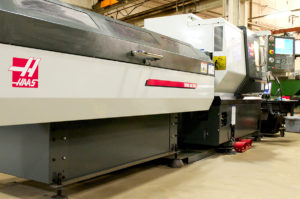
M&M Automatic Haas CNC Turning Machine

When you’re making plans for your next production or prototype project, you may be wondering where you’ll get the custom parts you need to manufacture your products, or generally what projects need CNC manufacturing? That’s where a company like M&M Automatic Products comes into the picture. Providing high-quality parts—such as screw machine components—on time is our speciality. The next time you’re planning out your next product, consider if it will need CNC manufacturing.

Production Projects with Custom Parts

When you need to keep costs down and still receive your custom screw machine parts on time—which could include nozzles, fasteners, spacers, connectors, seals, or precision shafts, contact M&M Automatic Products. We know that the custom parts you need can’t always be manufactured in a cost-effective way at your own site, so that’s why we specialize in making custom screws, bolts, and much more. We have produced custom parts for industries all over the board—we have served clients in the aerospace, automotive, restaurant, and medical industry, plus countless others. When you’re selecting a CNC manufacturer, hone in on the quality of parts used, how the prices compare to competitors, and how fast of turnaround is available. Whether you’re looking for custom machined parts (bushings, spacers, connectors), custom parts made of metal, brass, steel, or a custom machining and screw machine shop, know that M&M can produce the parts you need.

Prototype Projects and Screw Machining

Custom parts are often a necessity for prototype projects. You may not be sure exactly what parts are needed for your prototype—that’s when it’s time to get in touch with a CNC manufacturer. Regardless of the complexity or variety of materials required, the right CNC manufacturer will work with you to transform your prototype to production. CNC milling machines at M&M Automatic Products are capable of running multiple types of materials, including carbon alloys, aluminum, brass, stainless steel, and plastics. Even if you don’t have all the details of your prototype project finalized, a good CNC manufacturer will help you narrow down your best material options that fit within your budget. With M&M CNC manufacturing, you can purchase custom pieces for your prototype. Prototype projects typically require 100–1,000 pieces. Take advantage of working with a company that can not only work with you to develop your ideal prototype, but can work with you if you want to start larger-scale production of custom parts. Because we work with clients of all sizes, you can enjoy the seamless transition of taking your prototype to production because we will already understand your needs and project parameters.

Whom to Entrust Your Production or Prototype Project?

Whether you’re ready for a large scale production of custom parts, or looking to start out with a prototype project, be particular about the CNC manufacturing you partner with for your project. Here at M&M Automatic, we understand the need for your project to stay on cost. We offer the lowest and most competitive pricing possible for your custom parts, and are flexible to the turnaround time you need to complete everything on time. Learn more about how to select a CNC manufacturer. If you’re ready to work with a cost-efficient and knowledgeable CNC manufacturer, request a quote today for your project.
How to Select a CNC Machining Company

How to Select a CNC Machining Company

When selecting a CNC machining company for your project, it’s essential to do your research and be willing to make some phone calls in order to choose the company that’s best suited for your needs. Take a look at the tips below on how to select a CNC machining company.

1. Examples of Previous Work are Available

Whatever the project is that you have in mind, you likely have a blueprint of the parts that need to be produced. In turn, your CNC machining company will use that blueprint to create a prototype for you to approve. Take note of the quality of the prototype, and ask for examples of their work for other clients. You probably have a budget in mind for your parts production, so ensure that the quality of the CNC machining company’s previous work are up to your standards and expectations. Ask for customer testimonials, and consider reaching out to previous clients to get first-hand reviews of their work, and to know if they were pleased.

2. Use the Prototype Process to Gauge the CNC Machining Company

Throughout the process of communicating your design, you not only want a product that meets your company’s standards and stays within budget, you also want to partner with a CNC machining company that is easy to work with on a project. Use the prototype process to gauge how easy it is to communicate with them, if they listen to your needs, if they stick to deadlines, and overall—do you enjoy working together? If the CNC machining company meets your needs through the prototype process, they’re more likely to be a good fit when you’re sorting out large orders with them.

3. Is the CNC Machining Company Flexible to Your Needs?

When you’re wondering how to select a CNC machining company, look for one that is flexible to your changing needs, deadlines, and budget. Work with a company that will help you understand which materials are best suited to your project, and are willing to try something new in order to meet your quality standards. Be wary of companies that get bogged down by process logistics. A good CNC machining company understands that expedited orders are sometimes necessary and will work with you to get you the parts you need on your schedule.

4. Work with an Experienced CNC Machining Company

The length of time the CNC machining company has been in business is a testament to how well their products and services met their customers’ needs. Look for a CNC machining company that thoroughly understands your request, and has years of service under their belt. Working with an experienced CNC machining company will ensure that you receive exactly what you want and to the quality standards you expect.

If you’re interested in working with a CNC machining company with 20 years of experience, and is focused on providing you the high-quality parts for your business needs, contact us today. Take a look at the offer below to learn even more about what to look for in a CNC machining company.

Choosing Aluminum, Brass or Stainless Steel for Your Custom Screws

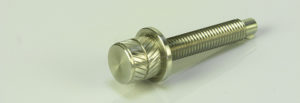
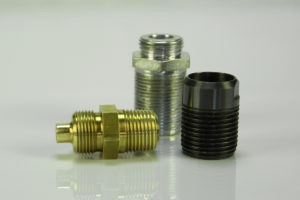
M&M Automatic Three Parts

Custom screws come in a vast variety of specifications, but when selecting a suitable material you have to first consider what your intended application is. Choosing one material over another can affect the quality and duration of the joint it forms. When choosing between aluminum, brass, or stainless steel for your custom screws, you’ll want to make your decision based on the material’s mechanical properties, corrosion resistance, fabrication operations, total cost, and, of course, material availability.

Why Choose Aluminum Screws

Aluminum is the most abundant metal in the earth’s crust, and it is also one of the most affordable materials you can manufacture custom screws with, if not the most affordable. It’s very light and versatile, and it is conducive to high heat and electricity, making it ductile. As such, it is extremely reliable for maintaining its shape and strength. These properties make custom aluminum screws ideal for a number of industries, including the aerospace and automotive industries.

Why Choose Brass Screws

Brass is a relatively affordable material that possesses a strong malleability, which makes it a popular material for custom screws. It is the most common alloy of copper and has high electrical conductivity and great corrosion resistance. Custom brass screws are used in a wealth of commercial applications, and they are also a good option for decorative or low friction components.

Why Choose Stainless Steel Screws

Stainless steel is a strong, durable, lustrous, and malleable material with which to manufacture custom screws, making it ideal for many applications. The chromium component found in stainless steel gives it a high degree of corrosion resistance that is not impacted by deformation or long-term use. This means that custom stainless steel screws perform well in high wear and harsh conditions. The strength, durability, and corrosion resistance of stainless steel make it so that it requires little maintenance.

Is there another material you’re considering or looking for? Let us know, and we’ll help you figure out which material is best for your custom screws.

Guide to Selecting Materials for Screw Fasteners (by Application)

M&M Automatic Fastener

Custom fasteners can be manufactured from a variety of materials, but it’s crucial to select the right material that will work for your particular application. Whether you’re planning to screw manufacturer fasteners to be used under extreme circumstances like military defense or need them for just cosmetic reasons, here are a few of the most common materials fasteners can be manufactured out of and the most common applications.

Most Common Custom Fastener Materials by Application

Steel Fasteners

Steel comes in a wide variety of strengths and forms, but four types are common in making custom fasteners:

Low carbon steel is great for a wide variety of applications including machine manufacturing, automotive manufacturing and medical manufacturing, but provides low strength in comparison to its steel counterparts.

Medium carbon steel is ideally used in making fasteners for automotive parts and manufacturing and sits on the medium level in the strength scale.

Alloy steel is often used in socket head products or critical joints because of its high level of strength.

Stainless Steel can also be used in a wide variety of applications, depending on the grade. 300 grade stainless steel fasteners have a medium level of strength and exceptional corrosion resistance allowing it to be used in a wide variety of applications. While 400 grade stainless steel has a medium to high level of strength and good corrosion resistance, but is best used in applications with thread cutting or forming.

Titanium Fasteners

Titanium is known as the premier material to manufacture fasteners from, with a high level of strength and top resistance to corrosion and wear. While it can be used in a variety of applications, it is most often found in high impact and wear instances such as within the aerospace industry.

Brass Fasteners

Brass is the most common copper-based alloy, and is relatively inexpensive to purchase and manufacture. Its strength is on the low scale, but it does provide relatively good resistance to corrosion. These are commonly used in marine applications or for purely cosmetic means.

Aluminum Fasteners

Aluminum is one of the most affordable materials to manufacture fasteners with and provides versatility. In a more pure form, it is best used for lightweight applications because it has lower strength level but good resistance to corrosion. However, when alloyed with other metals, it can resemble something that of a mild steel with a fraction of the weight.

These are just a few of the materials that these custom “screws” can be manufactured out of, but is a good place to start when you’re considering which materials would be best for your custom fasteners.

Not seeing the material you’re looking for? Let us know, and we can help you determine which materials would be best to manufacture your custom fasteners with.

Top Manufacturing Cost-Reduction Strategies to Try Today

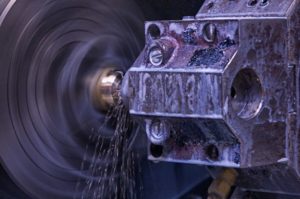
M&M Automatic Turning Machine

No matter what industry you’re in, manufacturing parts (internally or outsourced) can take a big toll on a company’s budget. Thankfully, there are experts that have been in the industry for decades now that know what it takes to keep your costs low and your profit high. Try these cost-reduction strategies to keep your manufacturing costs at bay.

Improve Your Process

From overhead costs (if you’re manufacturing internally) to forgetting to solidify a process of working with another company to stay in-budget and on time (if outsourcing manufacturing), there are many ways that companies get tripped up, costing them in the long run.

If you have the resources to produce your own parts, keeping a close eye on your overhead costs, such as building costs, administrative costs, storage costs, etc.. Re-evaluate regularly to reduce the amount of unnecessary money going out.

On the other hand, if you need to outsource your manufacturing, setting a clear, defined plan and design will reduce the amount of time that you spend going back and forth with the manufacturing company and making changes during billed time. Also having a point-person is essential to making sure everything stays on task.

Manufacture in Bulk

There can be many benefits to blanket orders, but the biggest benefit is that your labor costs of either manufacturing internally or the costs of hiring an external manufacturing company to manufacture your parts or components will significantly decrease. From an internal standpoint, all your time, resources and staff will be used at one time instead of spread across multiple time frames, and you get the same benefit when outsourcing, reducing startup time and labor which only adds to the bottom line.

Rethink Your Materials

Some materials like titanium or steel cost more to purchase and can take more time to manufacture with than other materials like polymers or certain alloys. Reworking your manufacturing design to substitute more cost-effective materials, while still maintaining the integrity and strength of your parts is one of the best ways to cut manufacturing costs.

Work With a Qualified Manufacturing Team

Let’s face it – whether you manufacture in-house or outsource, a lot of time, energy and resources can and have been wasted by utilizing a team that is not equipped for the job. To solve this, it’s crucial to either have the right trained machinists and engineers in place to efficiently and cost-effectively manufacture in-house or make sure you do your research first to ensure that you choose the right company that is going to fit your specific needs.